

Add Row
Add Element
cropper
update

SpeedFund Marketing

update
Add Element
  • Home
  • Categories
    • Local SEO Tips & Tricks
    • Reputation Management for Local Businesses
    • Social Media Marketing for Small Businesses
    • Website Optimization & Conversion Tips
    • Email Marketing for Local Business Growth
  • All Posts
  • Local SEO Tips & Tricks
  • Reputation Management for Local Businesses
  • Social Media Marketing for Small Businesses
  • Website Optimization & Conversion Tips
  • Email Marketing for Local Business Growth
January 16.2026
1 Minute Read

Unveil the Secret of how much does digital marketing actually cost?

net right for my budget?” Straight answers aren’t easy to find

David Warman’s Core Truth: Transparent Digital Marketing Costs Empower Your Business Growth

SEO services? Those typically start around $500 and can reach $2,500 monthly—with the variance driven by your industry competition and growth goals

"Most small businesses invest about $2,000 to $6,000 a month for comprehensive digital marketing. SEO services typically range from $500 to $2,500 depending on your market competition and goals."
– David Warman, SpeedFund Marketing

According to David Warman, the key to getting real ROI is transparency and flexibility. As he puts it, agencies worth your trust should offer easy-to-understand pricing, openly share contract terms, and never lock you into long-term agreements with sneaky upcharges or “gotchas.” This flexible, no-hidden-fee approach ensures your marketing spend is tailored to your growth stage and can scale with your needs—essential for service providers who face inevitable market swings.

"At our company, we offer transparent pricing with no hidden fees and flexible terms, including no long-term contracts on different items."
– David Warman, SpeedFund Marketing

Navigating Budget Realities: Why Understanding Digital Marketing Costs Is Critical Now

No matter your field—whether it’s roofing, dental work, or legal advice—every business juggles fixed expenses. Rent, payroll, equipment, supplies—the list goes on. David Warman points out that these realities create a lot of price sensitivity: business leaders must decide, almost daily, whether investing in marketing will have a better long-term impact than upgrading tools or buying more stock. This tension is sharper than ever because digital marketing can sometimes feel intangible—until the leads and new loyal customers start flooding in.

Business owner reviews digital marketing cost spreadsheet in a bright office with digital marketing brochures, representing how much does digital marketing cost

"Business owners constantly weigh fixed expenses—sometimes it’s a choice between marketing or buying equipment. This makes everyone price sensitive."
– David Warman, SpeedFund Marketing

Warman emphasizes that understanding your digital marketing investment—with clear projections, realistic expectations, and transparent pricing models—empowers you to make smarter budget decisions. In times where every dollar counts (think: slow seasons, off-peak months, or when facing competition from big brands), a transparent agency partnership means you know exactly where your money is going, and what outcomes you should expect.

For those looking to maximize every marketing dollar, optimizing your website for conversions is just as crucial as setting the right budget. If you want actionable steps to turn more visitors into leads, check out these website optimization and conversion tips that can help you get more value from your digital marketing investment.

Case Study: Strategic Marketing Investment Drives Holiday Season Growth

Let’s bring this down to the real world. As Warman recounts, a small business client was hesitant to invest in extra marketing due to tight budget constraints right before the holidays. “But the holidays were coming—when buying peaks for their service,” he says. “By making an additional investment in digital marketing, they saw a much larger gross profit.” That single decision, based on well-timed and targeted digital outreach, turned what could have been a stagnant season into their most profitable quarter to date.

Holiday retail digital marketing drives higher gross profit for service business, SEO pricing for small businesses

"A business hesitant about marketing due to budget constraints made an extra investment during the holidays and saw a much larger gross profit."
– David Warman, SpeedFund Marketing

  • Typical digital marketing monthly budgets: $2,000–$6,000

  • SEO pricing ranges: $500–$2,500/month based on competition

  • Transparent, flexible pricing and contract terms

  • Marketing as a key growth lever vs. fixed operational costs

What Exactly Will a Digital Marketing Agency Do for Your Business?

According to David Warman, a seasoned agency like SpeedFund Marketing brings far more to the table than just “setting up Google Ads” or sending email blasts. Instead, they craft data-backed, customized digital marketing solutions—blending SEO, local market competition analysis, lead generation campaigns, and continuous performance tracking—all tuned to the realities of your home service company, healthcare practice, or professional firm. This holistic approach is laser-focused on driving timely leads, conversions, and measurable ROI.

Professional digital marketing agency team collaborating on campaign deliverables, digital marketing agency deliverables

David Warman emphasizes the importance of ongoing, clear communication and no-surprise pricing. Agencies worth partnering with should provide regular performance analysis, timely strategy shifts based on your results, and the ability to ramp up or scale down depending on business goals or market shifts. “Custom, actionable insights—not cookie-cutter reports—determine whether your campaigns actually drive revenue and client retention.”

Deliverables That Matter for Home Services, Healthcare & Professional Firms

Not sure what results to expect from trusted agencies like SpeedFund Marketing? Warman outlines several core deliverables every agency should offer—especially for industries where trust, referrals, and local search dominance are everything:

  1. SEO optimization tailored to local market competition

  2. Targeted campaigns to drive timely leads and conversions

  3. Ongoing performance analysis and flexible strategy adjustments

  4. Clear communication and no-surprise pricing

How Long Until You See Results? The Timeline to Impactful Digital Marketing ROI

Why? Search rankings, local trust, and “word-of-mouth online” are built over time and consistent effort
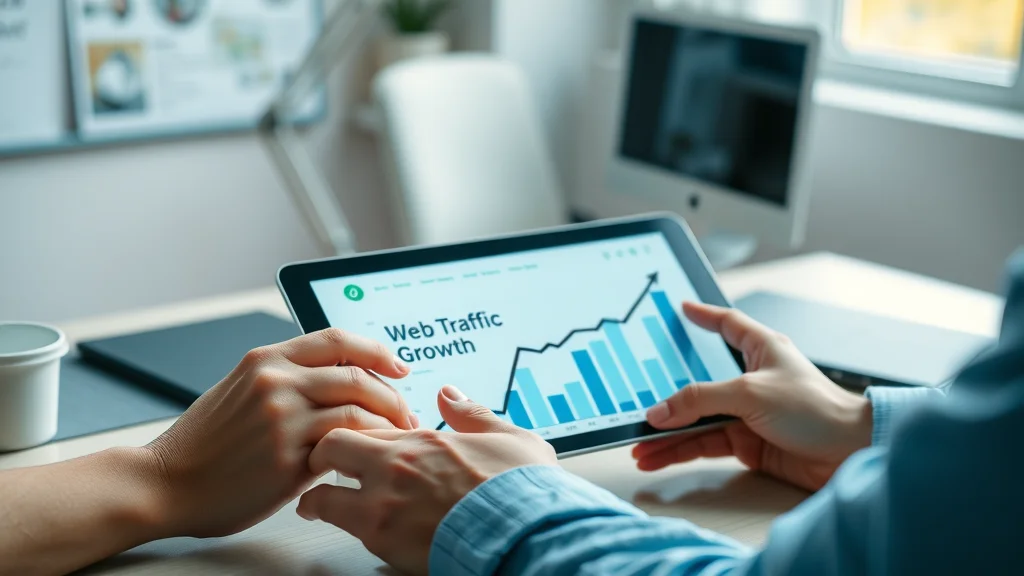
Graph shows traffic growth impact from SEO pricing for small businesses, SERP visibility, and digital marketing agency ROI

As Warman frequently tells clients, investing in digital marketing isn’t about instant gratification—it’s about sustainable, compounding growth. The return may start small but increases exponentially after the foundational groundwork is in place, resulting in a steady flow of leads that no one-time campaign could ever match.

Patience Meets Strategy: Investing in Your Future Growth

Making the leap into digital marketing—especially during uncertain times—calls for both patience and a willingness to see the long-term upside. According to David Warman, the smartest companies see beyond the next quarter. They treat digital marketing and SEO not as costs, but as strategic investments in their business’s legacy and future prosperity.

"The future is here and always changing. When you invest in digital marketing, you're investing in your future."
– David Warman, SpeedFund Marketing

Why Hire an Agency Instead of Doing It Yourself?

With endless tools, YouTube tutorials, and budget templates available online, why not just manage your digital marketing yourself? As David Warman points out, agencies bring a level of expertise and strategic insight that’s impossible to match if you’re already juggling job sites, patient care, staff training, and the 1,001 other tasks business owners face daily

Business owner contemplates hiring a digital marketing agency, digital marketing cost comparison for SMB
  • Expertise navigating market competition and SEO complexities

  • Access to tools and resources that enhance efficiency

  • Strategic guidance during tight budget decisions

  • Transparency and accountability from a dedicated marketing partner

Summary & Key Takeaways: Digital Marketing Costs Demystified for Service Providers

Let’s recap what David Warman and SpeedFund Marketing want you to remember about the real-world cost (and value) of digital marketing for home service, healthcare, and professional providers:
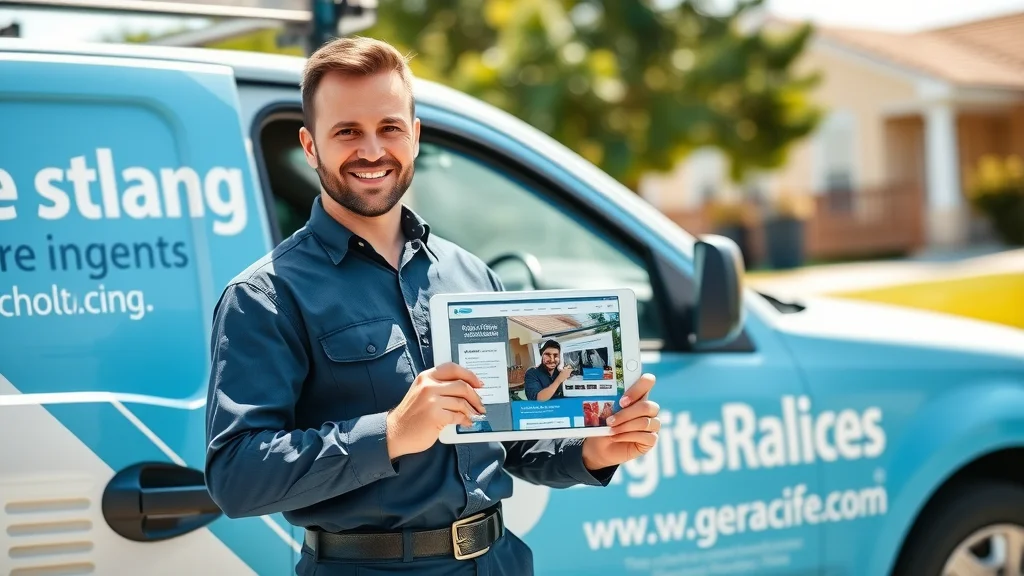
Home service provider with digital marketing agency partnership, showing impact of digital marketing cost investment
  • Understand realistic budget ranges and flexible options

  • Invest strategically during peak business periods for ROI

  • Partner with agencies offering transparency and flexible contracts

  • View digital marketing as an essential investment in your business’s future

Next Steps: Harness the Power of Digital Marketing for Your Business Today

Today’s digital landscape doesn’t wait for anyone. Whether you’re an HVAC company, dental practice, law office, or family-run repair shop, success is increasingly defined by your ability to invest in the right marketing strategy at the right moments—supported by the transparent, expert guidance of a trusted agency like SpeedFund Marketing.

Your move: Evaluate your business’s goals and seasonal peaks. Explore open, transparent conversations about your budget, expected deliverables, and timelines. Discover the difference a tailored, future-focused approach to digital marketing and SEO can make for http://www.speedfund.net —and take your growth to the next level.

Ready to unlock measurable results and sustainable ROI? Contact SpeedFund Marketing today to start your journey toward smarter marketing investment and future-proof growth

If you’re eager to deepen your understanding of how digital marketing can transform your business, don’t stop here. Explore advanced strategies and holistic approaches that go beyond budgeting—like optimizing your website for higher conversions and leveraging data-driven insights for long-term growth. The journey to digital success is ongoing, and each step you take builds a stronger foundation for your brand. For more expert guidance and actionable ideas, visit the SpeedFund blog and discover how strategic website optimization can elevate your results even further.

Local SEO Tips & Tricks

18 Views

0 Comments

Write A Comment

*
*
Related Posts All Posts
12.09.2025

Unlock Digital Marketing for Small Business Success Now

Did you know? Over 70% of small businesses that actively invest in digital marketing report a significant increase in revenue within the first year. In an era where customers begin their search for products or services online, mastering digital marketing for small business isn’t just an advantage—it’s essential for survival and success. This guide unpacks actionable strategies and critical tips you need to boost your online presence, drive website traffic, and increase your profitability right now. Discover Why Digital Marketing for Small Business Is Crucial Today A Startling Statistic: The Competitive Edge of Digital Marketing for Small Business A recent survey found that 81% of shoppers conduct online research before making a purchase. For most small businesses, this means your ability to attract and convert customers now hinges on your digital visibility. Without a robust digital marketing strategy, even the best products or services may remain hidden from your target audience. Consider another compelling fact: Businesses with a solid online presence are up to 3X more likely to grow revenue year-over-year compared to those relying solely on traditional advertising. Given that more than half of all small business sales now begin with an online search, investing in digital marketing for small business is no longer optional. It’s what separates today’s industry leaders from those left lagging behind. Building a strong digital footprint enables small businesses to connect directly with customers, gather real-time feedback, and pivot their offerings quickly—a decisive advantage in a fast-paced, digital-first economy. What You’ll Learn About Digital Marketing for Small Business The fundamentals of digital marketing for small business Effective strategies for increasing online presence and website traffic How to leverage social media platforms and email marketing Key SEO and content marketing tactics for small businesses Actionable steps to achieve real business success Understanding the Basics of Digital Marketing for Small Business Digital Marketing Defined: What Every Small Business Needs to Know Digital marketing refers to promoting your small business using digital channels like websites, search engines, social media, email, and online advertising. Unlike traditional marketing methods (such as print, radio, or direct mail), digital marketing allows for precise targeting, real-time performance tracking, and two-way engagement between brands and customers. One of the biggest advantages for a small business owner is the ability to reach the right people at the right time—without the massive budgets big brands often require. This shift enables businesses of any size to compete on a level playing field, leveraging modern tools to expand their online presence and boost business success far more efficiently than ever before. Fundamentally, digital marketing for small business revolves around connecting with potential customers where they spend the most time: online. Key Components: Website Traffic, Search Engines, and Online Presence To succeed in digital marketing for small business, it's vital to understand and optimize several foundational elements. First is your business website—a central hub for all website traffic and conversions. Optimizing your site for usability, speed, and SEO ensures visitors can easily access information about your products or services. Second, establishing a visible footprint on search engines is essential. Ranking well in search results increases the odds customers will discover you, even before they consider the competition. Setting up and fully populating a Google Business Profile also ensures your company appears in local searches, complete with maps, reviews, and up-to-date contact info. These components lay the groundwork for a strong online presence that consistently delivers website traffic and qualified leads. Building an Effective Digital Marketing Strategy for Small Businesses Setting Clear Goals for Digital Marketing for Small Business Goal-setting is the cornerstone of any successful digital marketing campaign. For small business owners just getting started, it's important to ask: What do I want to achieve? Whether it's growing your email list, generating more online sales, or increasing website traffic, your objectives should be concrete and measurable. Set SMART goals—Specific, Measurable, Achievable, Relevant, and Time-bound. For example: “Increase website visits by 25% over the next quarter,” or “Add 500 qualified leads to our email list before the holiday season.” These clear targets focus your marketing efforts and make it easier to measure progress. Ultimately, well-defined goals align your strategies with your broader vision for business success. Identifying and Reaching Your Target Audience Effective digital marketing for small business starts by understanding your ideal customer. Begin by developing detailed buyer personas—representations of your ideal clients including demographics, buying habits, pain points, and preferred channels. This step ensures your marketing messages resonate on a personal level, significantly improving your conversion rates. Once established, leverage digital tools and platforms to target these personas where they’re most active. Use social media advertising, search engine marketing, and targeted content to reach them directly. Customizing your strategy around the preferences of your target audience ensures your marketing efforts are more efficient, cost-effective, and impactful. Selecting the Right Media Platform for Small Business Success Not all media platforms are created equal. The right combination of social media, Google Business, and online advertising depends on your industry, audience, and specific business goals. For some, LinkedIn may deliver better B2B results, while Instagram or Facebook could be best for B2C brands. Evaluate where your audience spends their time and allocate resources accordingly. Test different media platforms, track their effectiveness, and adjust your mix as you gather data. Aligning your platform choice with your objectives ensures maximum ROI and positions your small business for long-term growth. Optimizing Online Presence: SEO and Search Engine Strategies for Small Businesses Search Engine Optimization: Boosting Digital Marketing for Small Business Search engine optimization (SEO) is the art and science of increasing your website’s visibility in search engines like Google. For small businesses, SEO is a game-changing strategy—a well-optimized website ranks higher in search results, drives organic website traffic, and builds trust with potential customers. Begin with keyword research to understand how your audience searches for your products or services. Then, optimize your web pages, blog content, and images by including these keywords naturally. Also, ensure your site is mobile-friendly and loads quickly—critical ranking factors for search engines. Implement local SEO tactics for better visibility in your community. With consistent effort, SEO amplifies your digital reach and helps your small business compete with larger brands online. Local SEO: Google Business Profiles for Small Businesses Local SEO is vital for businesses that serve specific geographic areas. A fully-optimized Google Business Profile increases your chance of appearing in “near me” searches, boosts local website traffic, and provides new opportunities to engage customers through reviews and updates. Start by claiming your free Google Business listing. Add up-to-date details—address, hours, phone, and website link—plus good photos and customer responses. Encourage happy clients to leave positive reviews, as higher ratings improve your search ranking. Regularly posting updates or special offers keeps your profile fresh and helps you stand out in crowded local search results. Channel Strengths Challenges Best Use Case SEO Long-term organic visibility & website traffic Requires ongoing optimization Building trust and attracting local users Social Media Direct community engagement & brand awareness Needs constant content & interaction Brand building and real-time feedback Email Marketing Personalized communication, high ROI List building takes time & care Customer retention and promotions PPC/Digital Ads Fast, targeted traffic & measurable results Can be expensive if poorly managed New product launches, lead generation Leveraging Social Media Platforms for Digital Marketing for Small Business Selecting the Best Social Media Platform for Small Businesses Choosing the right social media platform depends on your business goals, products or services, and target audience. Facebook remains a staple for reaching broad demographics and building a loyal community. Instagram excels with visual storytelling—ideal for retail, restaurants, and lifestyle brands. LinkedIn is best for B2B promotions and professional networking, while TikTok offers fast brand recognition for younger audiences. Don’t overlook platforms like Pinterest or Twitter for niche opportunities. Evaluate where your target audience spends their time, test different platforms, and monitor performance. Keep in mind that each platform has unique strengths, so adapt your content format—photos, short videos, or industry news—accordingly for maximum impact. Effective Social Media Marketing Tips for Small Business Consistent branding across all social media platforms ensures your business is recognizable and trustworthy. Engage regularly with your audience by responding to comments, sharing stories, and fostering real community interaction. Utilize analytics to refine your media platform strategy, learn what works, and pivot to maximize results. Measuring Social Media Marketing Efforts To ensure your social media marketing succeeds, track key performance indicators (KPIs) like engagement rate, reach, follower growth, click-throughs, and conversions. These metrics help you see which campaigns drive the most value and how your marketing efforts impact business success. Most platforms provide built-in analytics, but integrating tools like Google Analytics can provide deeper insights. Use this data to adjust posting schedules, refine your messaging, and experiment with new content types—your social strategy should always evolve as your audience grows. "Every small business owner should treat their online presence as their second storefront. Consistent, authentic engagement online can make the difference between survival and true growth." Email Marketing for Small Business: Building and Nurturing Your Email List Why Email Marketing Matters in Digital Marketing for Small Business Email marketing remains one of the highest ROI channels available—a key pillar of digital marketing for small business. Direct access to your audience means you can foster customer loyalty, communicate new offers, and deliver personalized value right to the inbox. Unlike social media algorithms, which can limit your reach, an engaged email list puts you in control, ensuring every message lands directly with subscribers. Effective email campaigns continue to outperform most paid advertising in terms of dollar-for-dollar return, making them invaluable for sustained growth. Strategies for Growing Your Email List Offer valuable incentives for subscribers: freebies, discounts, or exclusive content can significantly increase sign-ups. Integrate email sign-up on all digital platforms: ensure your website, blog, and social media channels feature clear calls to action. Leverage partnerships for cross-promotion: collaborate with complementary businesses to grow your audience together. Crafting Engaging Campaigns to Boost Marketing Efforts Successful email marketing is about delivering value in every message. Segment your audience by interest or purchase behavior for highly relevant campaigns. Personalize subject lines, use compelling visuals, and craft concise calls-to-action to increase open and click-through rates. Regularly analyze your data to measure engagement, refine your messaging, and adapt your sending frequency. Remember, the goal isn't to send more emails, but to send better ones that nurture relationships and prompt action—whether that's visiting your website, attending an event, or making a purchase. Content Marketing for Small Businesses: Creating Value for Your Audience Developing a Content Marketing Plan for Digital Marketing for Small Business A powerful content marketing strategy aligns the topics you cover with what your target audience genuinely cares about. Start by researching industry trends, customer questions, and the most-searched keywords related to your business. Develop a content calendar mapping out blogs, videos, infographics, and guides designed to inform, inspire, or solve a real problem for your customers. This approach doesn’t just improve SEO and website traffic; it positions your small business as an authoritative, trustworthy source in your field. The more value you provide up front, the more likely customers are to choose you when they’re ready to buy—driving long-term business success. Types of Content That Drive Website Traffic and Conversions Blog posts and educational guides Case studies and customer success stories Videos and interactive media Maximizing Paid Advertising: PPC and Digital Advertising for Small Businesses PPC and Paid Search Engine Marketing Essentials PPC (pay-per-click) advertising and paid search engine marketing provide immediate visibility for your small business. Platforms like Google Ads, Facebook Ads, and LinkedIn Ads allow precise targeting, enabling you to reach specific audiences based on location, interests, and behaviors. Start by researching relevant keywords that align closely with your products or services. Set a realistic budget and monitor campaigns closely to maximize return on investment. Effective PPC campaigns deliver fast website traffic and lead generation, especially when launching new offerings or seasonal specials—a strategic supplement to your long-term SEO and content work. Retargeting and Maximizing Ad Spend Retargeting allows you to serve ads to people who have previously visited your website or interacted with your content. For small businesses, this strategy significantly improves conversion rates by engaging warm leads who already know your brand. Use audience segmentation to tailor your messages based on behaviors, interests, or stage in the buying process. Continually test ad creatives and track which segments deliver the highest ROI. By focusing your ad spend on the most qualified prospects, you drive efficiency and accelerate your business growth. Channel Recommended Budget % Expected ROI SEO 30% High (long-term, sustained traffic) Social Media 25% Medium/High (community engagement) Email Marketing 15% Very High (repeat business, retention) PPC/Digital Ads 30% Medium/High (quick wins, targeted campaigns) Measuring Success: Analytics for Digital Marketing for Small Business Key Metrics Every Small Business Owner Should Track To achieve true business success with digital marketing, it’s vital to monitor a variety of performance metrics across channels. For your website, track website traffic, bounce rates, session duration, and conversion rate. For email marketing, measure open rates, click-through rates, and list growth. On social media, evaluate engagement rates, follower growth, and campaign reach. Regularly reviewing these KPIs helps you identify what’s working, where to invest further, and which efforts need refinement. Use dashboards to easily visualize your data and share results with your team, fostering a data-driven culture for ongoing improvement. Using Analytics to Refine Marketing Efforts for Greater Success Analytics aren't just about tracking numbers—they provide actionable insights to reshape your digital marketing strategies. Set up Google Analytics or similar tools to monitor user behaviors, uncover which campaigns drive the most conversions, and pinpoint where customers drop off in your sales funnel. Review these findings regularly. Adjust your ad spend, content topics, and posting schedules based on performance. By letting the data guide your decisions, you avoid guesswork and steadily increase your ROI and overall marketing effectiveness. For small business owners, mastering analytics turns every marketing effort into a growth opportunity. FAQs: Digital Marketing for Small Business What is digital marketing and how can it help my small business? Digital marketing covers online tactics like SEO, social media, and email campaigns that allow you to connect with your target audience cost-effectively. It boosts your online presence, drives qualified website traffic, and increases your potential for sales. How much should a small business spend on digital marketing? Most experts recommend allocating 7–12% of your gross revenue to marketing, with 50% or more focused on digital channels for faster growth and measurable results. Which is the best social media platform for small businesses? The best platform depends on your industry and audience—Facebook is broad, Instagram is visual, LinkedIn is B2B, and TikTok is for younger users. Start where your customers are active. How does SEO improve my online presence as a small business? SEO increases your visibility in search results, making it easier for customers to find you organically. Appearing at the top of search engines builds trust and generates more potential leads. What email marketing platform is best for small business owners? Popular choices include Mailchimp, Constant Contact, and ConvertKit—each offers automation, easy design tools, and performance tracking at small business–friendly price points. People Also Ask: Digital Marketing for Small Business How can digital marketing improve my small business? Digital marketing provides cost-effective channels to grow visibility, drive website traffic, and connect with your target audience—key ingredients for business success. It helps businesses compete with larger brands and reach local or global markets with tailored strategies. What digital marketing channels work best for small businesses? SEO, social media, email marketing, and content marketing are top-performing channels for most small businesses. The right channel mix depends on your industry, goals, and where your customers spend their time online. Is social media necessary for digital marketing for small business? A strong social media presence helps build community, improve brand awareness, and attract new customers. It provides an interactive space for real-time engagement and is a must-have for most small business marketing efforts. How do I measure the ROI of digital marketing for my small business? Leverage analytics tools to monitor website traffic, leads, conversions, and sales across your marketing efforts. Track which channels contribute the most to your goals, adjust strategies, and optimize your budget for maximum return. Key Takeaways: Digital Marketing for Small Business Start with clear goals for your digital marketing efforts Focus on SEO, content, and social media to grow online presence Leverage email marketing and PPC for additional reach Measure, analyze, and optimize to drive business success Your Next Step: Transform Small Business Marketing—Call Today 732-481-2331 Ready to unlock the power of digital marketing for small business? Take action now to accelerate your business success.

Terms of Service

Privacy Policy

Core Modal Title

Sorry, no results found

You Might Find These Articles Interesting

T
Please Check Your Email
We Will Be Following Up Shortly
*
*
*