

cropper
update

SpeedFund Marketing

update
  • Home
  • Categories
    • Local SEO Tips & Tricks
    • Reputation Management for Local Businesses
    • Social Media Marketing for Small Businesses
    • Website Optimization & Conversion Tips
    • Email Marketing for Local Business Growth
  • All Posts
  • Local SEO Tips & Tricks
  • Reputation Management for Local Businesses
  • Social Media Marketing for Small Businesses
  • Website Optimization & Conversion Tips
  • Email Marketing for Local Business Growth
May 12.2026
1 Minute Read

Why Do Some Brands Feel More “Recognizable” to AI?

Imagine scrolling through your social media feed: certain brands seem to appear everywhere, popping up in recommendations, ads, and AI-powered suggestions with uncanny frequency. How is it that some brand logos and styles stick out in the digital crowd—especially within AI-driven platforms—while others blend into the background, even if you like their products? In the rapidly evolving online landscape, why do some brands feel more “recognizable” to AI than others? This article explores the often-invisible forces behind that digital familiarity, revealing how artificial intelligence is quietly transforming which brands dominate social and media marketing strategies.

The Growing Influence of Artificial Intelligence on Brand Recognition

In today’s digital world, artificial intelligence has become a driving force behind the visibility and recognizability of brands across social media and other marketing channels. From the sophisticated AI tools that curate personalized feeds to the advanced gen AI engines that categorize and recommend content, the role of artificial intelligence is now central to marketing strategies for enhanced customer engagement. As companies race to stand out, understanding the mechanics of how AI recognizes and promotes specific brands has never been more vital.

Why do some brands feel more “recognizable” to AI? The answer lies in a blend of data-driven consistency, keyword optimization, and responsive social media marketing strategies. Brands that leverage the power of generative AI, craft messaging that resonates with both algorithms and people, and maintain a visible, data-rich online presence are rewarded with greater AI-driven exposure. Recognizability isn’t just about a well-designed logo—it’s about integrating with the logic and technology that determines what appears in the AI-curated feeds of millions. Let’s explore how this works in practice and why it matters more than ever before.

Observations: How AI Perceives Brands in Social Media

On platforms flooded with content, AI engines don’t just notice colorful logos—they actively analyze patterns across thousands of posts, mentions, and user interactions. When a brand regularly shows up with consistent visuals, uses the right keywords, and interacts authentically, it leaves strong digital footprints that AI can easily cluster and elevate. Unlike the human eye, which gravitates towards emotional tone or narrative, artificial intelligence processes vast amounts of data, prioritizing volume, frequency, and consistency over storytelling alone.

The consequence? Certain brands seem to “show up consistently” in feeds—sometimes even when users have limited direct engagement with them. This is no accident: generative AI tool and media marketing strategies amplify signals that align with their training data. As a result, brands who invest in personalizing social media marketing not only reach more people but become fixtures in the digital consciousness, their posts “recognized” and promoted heavily by social algorithms.

AI avatar analyzing multiple brand logos in a photorealistic social media dashboard with digital profiles, styled in a modern office setting, highlighting why do some brands feel more recognizable to AI

Why Do Some Brands Feel More “Recognizable” to AI in Modern Media Marketing Strategies?

Some brands simply feel more “recognizable” in AI-powered feeds because they’re built with algorithmic logic in mind. By merging consistent brand content with strategic data-driven marketing strategies, they ensure their digital signature is one that AI tools can’t ignore. While this might include things like optimized keywords, recurring visual themes, and high-volume posting, it also means adapting continually to the way generative AI learns from and amplifies trending content.

In the modern landscape, marketing teams deploy AI engines that study social sentiment, measure engagement, and tailor messaging—constantly iterating to remain in the AI’s “line of sight. ” This loop of feedback and optimization creates a self-reinforcing presence, where algorithmic visibility becomes partly a result of deliberate design. That is the secret sauce behind the perception that some brands feel “everywhere”—the product of strategic harmony between human marketers and artificial intelligence in personalizing social media.

What You'll Learn from This Exploration

  • Understand why some brands are more 'recognizable' to AI
  • Explore the intersection of artificial intelligence, branding, and social media strategies
  • Gain insight on generative AI's effects on marketing strategies
  • Learn how personalizing social media marketing impacts recognition
  • Discover the role of real people versus algorithmic perception

Understanding Why Some Brands Feel More Recognizable to AI

The Role of Artificial Intelligence in Branding Recognition

At its core, the role of artificial intelligence in modern branding recognition is about identifying patterns, distilling data, and predicting outcomes. Artificial intelligence systems are trained on massive amounts of social media and marketing data, enabling them to spot recurring elements—like a unique logo, a catchy slogan, or keyword clusters—that signal a particular brand identity. Unlike humans, AI is impressively adept at cutting through noise to highlight and promote these repeating signals, granting some brands a kind of algorithmic “halo” effect.

This machine-driven lens doesn’t interpret emotional impact the same way real people do. Instead, it weights the inputs it receives—frequency of mentions, clarity of visuals, completeness of meta-data—and uses them to elevate those brands it recognizes most efficiently. The more a brand crafts its presence to suit these AI systems, the more likely it is to win in the ever-competitive visibility game of media marketing strategies.
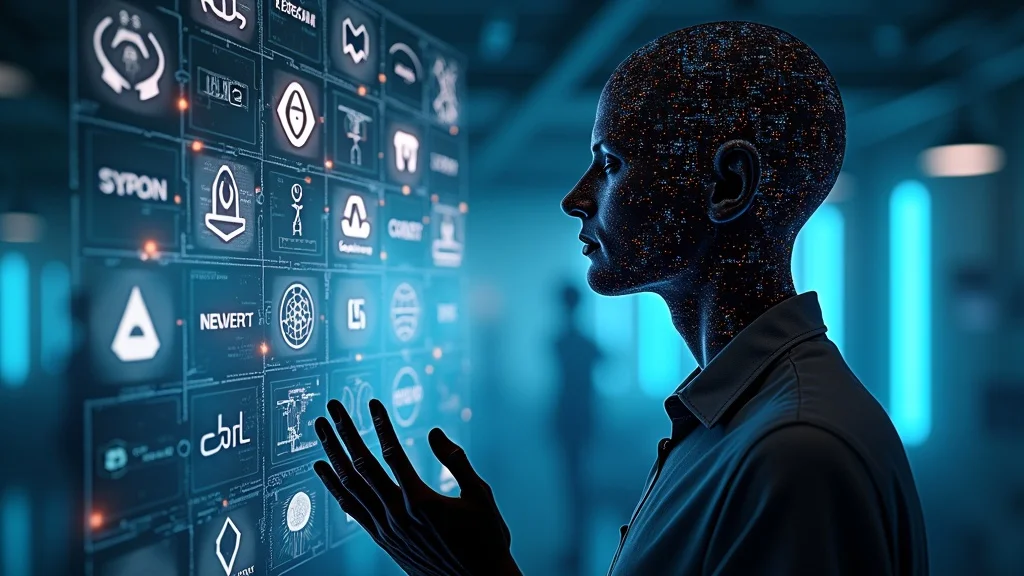
Digital human silhouette in a tech lab analyzing brand icons and logos with holographic projections and swirling AI algorithms, illustrating the role of artificial intelligence in brand recognition

Generative AI: Reimagining Social Media Marketing

Generative AI — the kind that crafts content, designs images, or creates campaign copy — has dramatically changed how content is built and distributed across social media. It can analyze millions of data points to synthesize personalizing social media marketing messages that not only target audiences more precisely but also mirror what algorithms are programmed to promote. The result is that brands who embrace gen AI technology can iterate faster, respond to cultural shifts, and keep their messages at the top of AI-powered recommendation feeds.

This is particularly critical because, in a social space driven by likes, comments, and shares, generative AI can detect micro-trends long before they reach mainstream consciousness. Whether it’s a viral meme leveraging brand content or a new design aesthetic, generative AI tools allow certain brands to remain “front-of-mind” not only to people but to the underlying algorithms, guaranteeing repeated exposure and cementing their “recognizability” to both.

Personalizing Social Media Marketing: AI’s Strength

One of the greatest strengths of AI-driven marketing is its ability to create deeply personalized social media experiences. By processing billions of interactions in real time, AI engines customize feeds to the individual, ensuring that posts and advertisements from brands a user is most likely to engage with rise to the top. This tight focus on relevance means that brands with savvy personalizing social media marketing strategies get more algorithmic airtime, becoming increasingly “recognizable” every time their content is surfaced.

Meanwhile, the cycle of data collection fuels even deeper personalization. As real people interact with brand posts—liking, commenting, or sharing—the AI refines its understanding and doubles down on highlighting those brands. For marketers and businesses, investing in personalizing social media marketing using artificial intelligence is less a luxury now and more a necessity. It’s the key to breaking into those coveted top spots of visibility within AI-powered environments.

Media Marketing Strategies for Enhanced Customer Engagement

When brands combine personalization powered by AI with smart media marketing strategies, the effect can be exponential. It’s not just about dropping a logo everywhere; it’s about weaving together consistent visuals, timely posts, and targeted messaging to create a web of digital signals that AI tools can easily pick up. For example, a brand that maintains a clear, recognizable theme—color palette, tagline, voice—across multiple platforms trains both users and AIs to expect and recognize them.

Coupling this with marketing strategies for enhanced customer engagement—like interactive stories, influencer collaborations, and data-driven content optimization—makes brands stickier to both algorithms and audiences. The combination reinforces not just immediate recognition but long-term presence in the complex ecosystem of social media marketing strategies.

Exploring Real People Versus Machine Perception

How Social Media Influences Brand Recognition in AI

Social media platforms serve as the front line where brands and artificial intelligence intersect. Every piece of content—each post, tag, image, and comment—becomes a data point feeding the AI engines that determine what gets noticed and promoted. This environment favors brands that aren’t just active but deliberate: by using a combination of keyword-rich captions, visually distinctive brand assets, and regular interaction with users, brands train both AIs and audiences to recognize their presence.

The interplay between generative AI tools and personalizing social media marketing is especially important. AI tracks not only what’s being said about a brand but also who’s saying it and how often. Brands that manage to spark ongoing engagement—through trending campaigns, viral challenges, or partnerships with real people as influencers—leave stronger digital footprints, making it easier for the AI to “lock on” and amplify their voice.

Do Real People Notice Brand ‘Recognition’ the Same Way as AI?

Despite all the technology powering brand visibility, real people process recognition in a fundamentally different way than artificial intelligence. Humans are drawn toward storylines, authentic experiences, and emotional resonance—qualities that current gen AI still struggle to fully comprehend. While machine-learning systems can accurately parse patterns, their “recognition” remains rooted in data, not emotion. This difference is why a brand might feel omnipresent in your feed, yet fail to make a genuine impact on your memory or affinity.

As a result, brands seeking long-term connection must bridge the gap between AI recognition and human rememberability: blending algorithmic visibility with authenticity in advertising, relatable narratives, and, whenever possible, the power of real people as advocates. True recognizability comes when marketing strategies respect both sides—leveraging advanced AI tool capabilities while foregrounding real beauty and authentic story.
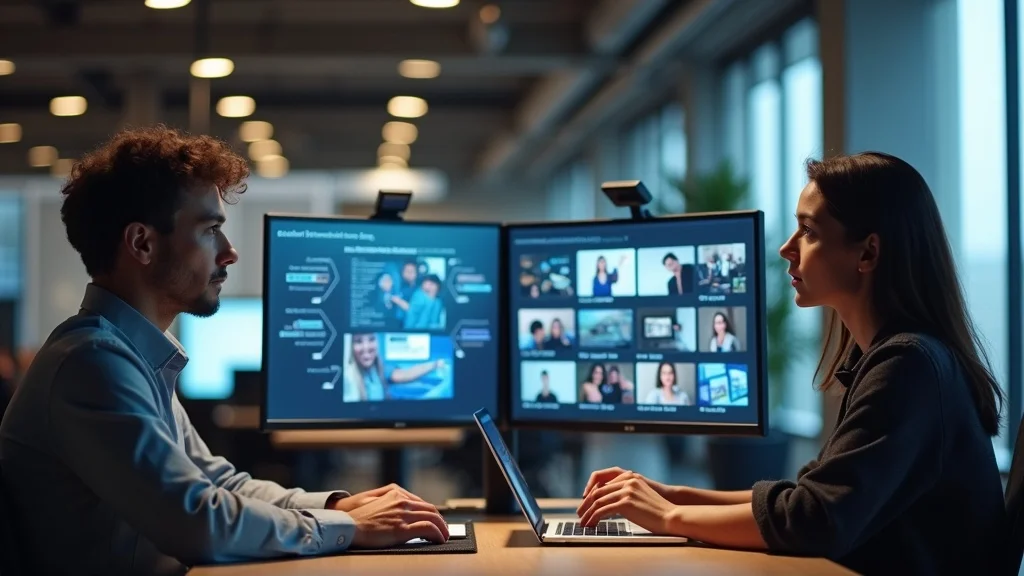
Human marketer and AI avatar examining branded social media posts side-by-side, comparing human and AI perspectives on brand recognition

Lists: Strategies Brands Use to Become More Recognizable to AI

  • Consistent visual branding and logos
  • Implementing keyword-rich messaging
  • Leveraging data-driven marketing strategies
  • Personalizing social media interactions
  • Collaborating with real people — influencers and advocates

How Artificial Intelligence Personalizes Social Media Marketing

Role of Artificial Intelligence in Personalized Social Media Experiences

The intelligence in personalizing social media marketing doesn’t just improve the advertising experience—it fundamentally changes what brands can achieve online. AI scans users’ behaviors, interpreting subtle signals like pauses, scrolls, and interactions to piece together rich digital profiles. Brands that leverage these insights don’t just push more ads; they create content that feels naturally integrated and custom-fit to each user’s interests and routines—taking personalization to a level traditional methods can’t match.

The advantage of this approach is clear: the more tailored a brand’s engagement, the deeper the connection and the higher the chances the AI will recognize, surface, and recommend them. In return, brands gain the ability to deliver timely, relevant campaigns that resonate on an individual level, transforming passive followers into engaged advocates through the power of AI tools and gen AI.

Media Marketing Strategies Leveraging Generative AI

Modern marketing is increasingly defined by how effectively brands use generative AI solutions to create, test, and optimize campaigns. From crafting auto-personalized visuals to deploying “smart” ads that adapt to changing trends, these systems have changed how content is made and distributed. The integration of AI-generated creative elements makes it easier for brands to maintain a uniform digital image—something that AI systems immediately recognize and amplify.

At the same time, brands leveraging generative AI toolkits can rapidly adjust their messaging based on real-time feedback, keeping pace with, or even ahead of, emerging social media trends. This agility is essential for staying at the top of algorithmic recommendation engines and ensuring sustained visibility on crowded platforms. When combined with ongoing engagement from real people—through influencer partnerships, interactive posts, and community involvement—the synergy between human creativity and machine analytics becomes a powerful force in media marketing strategies.

Team of marketers using laptops with AI-generated campaign visuals, representing vibrant personalized social media marketing using artificial intelligence

Table: Elements That Make Brands More Recognizable to AI Versus to Real People

Branding Element AI Perception Human Perception
Consistent Visuals High Moderate
Keyword Optimization Very High Low
Emotional Tone Low Very High
Engagement with Real People Medium Very High

Quotes: Perspectives on AI and Brand Recognition

"AI doesn’t 'see' brands the way we do — to an algorithm, recognizability comes from patterns and data, not emotion or meaning."
"Brands that invest in artificial intelligence-driven social media marketing strategies are winning the visibility game."

Short dynamic explainer showing AI algorithms scanning and identifying recognizable global brand logos across a fast-paced stream of social media posts and influencer content.

The Impact of Marketing Strategies for Enhanced Brand Recognition to AI

How Generative AI Shapes Brand Visibility on Social Media

Generative AI continues to widen the gap between traditional marketing and AI-driven branding. The latest AI engines track everything: the colors in a logo, the frequency of a slogan, the patterns of posting. By identifying and amplifying brands that align closely with their data priorities, these systems make it easier than ever for a select group of brands to dominate feeds and capture attention amid social noise.

Still, generative AI doesn’t guarantee success for every company. Brands that ignore the underlying rules of algorithmic insight—frequency, relevancy, and adaptive messaging—risk being overlooked, no matter how creative their approach. What separates the most “recognizable” brands are marketing strategies for enhanced customer engagement built on a deep interplay between technology, data, and an understanding of how personalizing social media marketing shapes brand reach.

Marketer interacting with generative AI dashboard highlighting top brand trends and rising brand icons, showing impact of generative AI on brand recognition

Integrating Personalizing Social Media Marketing with AI Insights

To maximize impact, leading brands now integrate real-time AI insights with ongoing efforts at personalizing social media marketing. This symbiosis creates a feedback loop—each customer interaction, each trend detected, is fed back into campaign planning to ensure every message and image is optimized for both AI and human audiences. This integration is what keeps some brands permanently at the forefront, no matter how trends or algorithms shift.

As we move deeper into the age of AI-driven branding, the brands that balance algorithmic optimization with human experience—the ones that use the latest AI tools to foster real connections—are the ones that achieve lasting “recognizability. ” The most successful marketing strategies for enhanced customer engagement will always blend the measurable with the memorable.

People Also Ask

What is the 3 7 27 rule of branding?

The 3 7 27 rule of branding suggests that consumers make initial judgments about a brand based on 3 seconds of first impression, 7 seconds of engagement, and 27 seconds of deeper interaction, emphasizing the importance of strong, consistent branding in every encounter.

Why do companies think everyone wants AI?

Companies often believe everyone wants AI-driven services due to increased efficiency, personalization, and the competitive edge artificial intelligence offers, especially in social media marketing and customer engagement.

Which city is called AI City?

Suzhou in China is often dubbed “AI City” because of its large-scale investments in artificial intelligence research, development, and a concentration of tech firms leading AI innovation.

What country is #1 in AI?

The United States is widely considered the world leader in artificial intelligence due to its advanced research infrastructure, funding, and concentration of top AI companies.

Watch as everyday consumers navigate AI-powered recommendations, revealing how “recognizability” is experienced differently by humans compared to machines in the world of social media marketing.

FAQs: Why Do Some Brands Feel More Recognizable to AI?

  • What factors make a brand more recognizable to AI?
  • Can small brands become AI-recognizable?
  • How does personalizing social media marketing affect AI perception?
  • Is generative AI changing the way brands are built online?

Key Takeaways: What Matters in the Age of AI-Driven Branding

  • AI’s perception of brands is driven by data and algorithmic patterns
  • Strategic use of generative AI and social media marketing increases recognizability
  • Real people value emotional and experiential branding, which AI is only beginning to grasp
  • Brands must balance AI optimization with genuine, human-centered storytelling

Final Thoughts: Navigating Brand Recognition in an AI-Era — A Personal Perspective

Why Do Some Brands Feel More “Recognizable” to AI: A Summation of the Debate

In the end, why do some brands feel more “recognizable” to AI? It’s not just about technology—it’s about how well brands weave together data, creativity, and authenticity. Those who build for both the algorithm and the audience are the ones who will thrive in a future shaped by artificial intelligence and human experience in equal measure.

Calm marketing professional reflecting in creative studio with shifting AI-generated brand visuals on a transparent wall, pondering brand recognition in the AI era

Ready to elevate your brand’s AI visibility? Call today 732-481-2331

Social Media Marketing for Small Businesses

1 Views

0 Comments

Write A Comment

*
*
Please complete the captcha to submit your comment.
Related Posts All Posts
11.21.2025

Why LinkedIn Is the New TikTok for Business Growth Now

What if the most powerful way to grow your business online isn’t about catching the next viral trend—but about claiming a new digital territory? LinkedIn is quietly transforming how brands achieve organic reach, engage, and influence their audiences, making it essential to rethink which platform truly powers business success. In this article, we’ll explore why LinkedIn is the new TikTok for business and how you can harness its unique features for next-level business impact.Is LinkedIn the New TikTok for Business? A Fresh Perspective"What if the future of business growth isn’t about chasing viral trends, but about mastering new digital territories?"In the realms of digital marketing and business growth, platforms like TikTok have long captured headlines with stories of overnight virality, but LinkedIn’s organic reach is now reshaping the landscape. Yet, in a dramatic shift that began late last year, LinkedIn has emerged as the new powerhouse for organic reach—not just for job seekers, but for anyone serious about revenue growth and brand authority. The days when TikTok alone offered the best organic content reach are evolving, making way for a platform deeply rooted in professional value and real business impact metrics.Where TikTok focuses on massive consumer engagement, LinkedIn is a rich networking platform designed for organic content creators and content consumers aiming to maximize organic reach, awareness, and relationship-building. Recent algorithm insights show that LinkedIn’s user experience now rewards authentic posts, well-crafted thought leadership, and innovation in business storytelling, giving both small business owners and large corporate page managers an edge like never before. The quality and style of content on LinkedIn often positions brands as industry leaders—something viral trends struggle to deliver consistently on platforms like Instagram and TikTok.What You'll Learn: Key Takeaways from ‘LinkedIn Is the New TikTok for Business’Understand how LinkedIn's business environment is evolvingDiscover the importance of organic reach on modern platformsCompare TikTok and LinkedIn for B2B and B2C strategiesGain insights into content and engagement rules for each platformLearn expert tips for leveraging LinkedIn for rapid growthLinkedIn vs. TikTok: Comparing Organic Reach and Content DynamicsPlatformAudienceOrganic ReachBest Content TypeTypical EngagementLinkedInProfessionalsHigh (recently increased)Insights, thought leadership, educationalComments, shares, DMsTikTokGen Z/MillennialsMassive, but increasingly pay-to-playShort videos, trendsLikes, viral sharesAs you refine your approach to organic reach and content strategy on LinkedIn, it's worth noting that leveraging the right digital tools can further amplify your visibility. For those interested in optimizing their local presence, exploring AI-powered solutions for local SEO can provide a tactical edge in reaching your target audience more effectively.How Organic Reach Drives Business Impact on LinkedInOrganic reach has always been a critical metric for social media success, and LinkedIn’s recent algorithm insights report highlights a significant increase in organic reach for brands. Unlike platforms where success is now contingent on increasing ad revenue or pay-to-play promotions, LinkedIn’s organic reach is climbing for those who understand the science of value-driven content. When businesses master creating authentic posts—like educational carousels or expert opinion videos—they benefit from higher engagement rates, robust networking opportunities, and even more direct message inquiries from decision-makers.This surge in organic reach on LinkedIn is driving measurable business impact and elevating brand visibility. Insights report cases in which small business owners and LinkedIn influencers outpace the reach typically seen on platforms like TikTok and Instagram, demonstrating that organic networking and relationship-building are now as crucial as viral visibility. The platform’s emphasis on skilled content creators and professionals with expertise enables companies to foster trust, build long-term customer loyalty, and drive revenue growth while standing apart from the fleeting nature of viral trends elsewhere.The New Age of Thought Leadership: Why LinkedIn Is the New TikTok for Business Growth"Thought leadership on LinkedIn now moves markets."A core reason LinkedIn is the new TikTok for business is its ecosystem of thought leaders. The platform is rapidly becoming the stage for industry experts, CEOs, and niche professionals to establish credibility, drive business impact, and influence industry trends far beyond what’s possible with brief, entertainment-driven video. Unlike platforms dominated by fleeting dance challenges or memes, LinkedIn rewards consistent, action-oriented content creators who offer in-depth perspectives and actionable tips.Many companies find that cultivating a presence around thought leadership not only enhances the authority of their corporate page but also generates a ripple effect across their teams, leading to new business partnerships and referrals. By sharing rich insights and fostering meaningful discussions, businesses can turn every post into a strategic asset for growth, as the organic content and engagement climate tilts further in favor of professional, high-quality messaging.Case Studies: How Businesses Are Winning with LinkedIn’s Organic ReachExamples of viral LinkedIn contentSuccess stories of B2B brandsPersonal branding winsHow organic networking leads to dealsLet’s look at real-world proof that LinkedIn is the new TikTok for business when it comes to organic content. Take, for example, the story of a small business marketing agency that doubled its client base within three months simply by launching a series of leadership tips and behind-the-scenes videos on LinkedIn—the same content on TikTok barely generated a ripple. Meanwhile, personal branding expert Richard Van Der landed six-figure deals by sharing industry reports and practical insights, making his corporate page a magnet for both recruiters and job seekers.B2B brands are seeing similar results; their best-performing organic content includes deep-dive educational carousels, candid founder posts, and data-visualization infographics. These content types drive not just vanity metrics, but actual pipeline deals and long-term partnerships—something rare on platforms where the goal is awareness or sell more advertising. For ambitious professionals, optimizing for LinkedIn’s algorithm and nurturing their organic network unlocks a wealth of business impact that simple virality cannot match.Understanding the Platforms: Is TikTok for Business Different from TikTok?One of the most good questions asked by marketers exploring new channels is about the true difference between TikTok and its specialized 'for business' version. TikTok for Business offers advanced advertising features and analytics, catering more toward brand managers than content creators seeking organic exposure. However, as platforms are increasingly shifting toward paid visibility in order to increase ad revenue, organic reach is becoming less dependable even for business accounts.In contrast, LinkedIn keeps its core experience focused on networking and professional progression. Its ecosystem rewards the organic content creators who share knowledge, connect authentically, and support business goals that go beyond trend participation. For recruiters and job seekers, entrepreneurs, or anyone seeking sustained business impact, LinkedIn offers a robust channel for your business—especially as algorithm changes on platforms like TikTok make it harder to grow without ad spend.The 5 3 2 Rule: Optimizing Content Strategy for LinkedIn’s Organic ReachIf you want to win on LinkedIn, it’s essential to balance your content with the 5-3-2 rule. This strategy suggests that out of every ten posts, five should be value-adding industry content, three should be your own original insights or company news, and two should be more personal—showing your brand’s human side. This blend is key for maximizing organic reach while keeping your audience engaged and building brand authority.LinkedIn’s algorithm insights report highlights that users who employ the 5-3-2 approach see improved engagement and higher business impact metrics than those who focus only on promotional material. Organic content and engagement thrive when it’s both informative and relatable, encouraging content consumers to interact by commenting, sharing, or directly messaging. It’s this form of diversified content, not just flashy vertical video, that powers LinkedIn’s ascent as the new channel for business growth.Which TikTok Is Best for Business—And Does LinkedIn Now Prevail?While there are multiple iterations of TikTok (personal accounts, business accounts, creators’ hub), the reality for many content creators and marketers is that the organic reach available on the standard TikTok is steadily declining as the platform pushes pay-to-play models and prioritizes revenue growth. For small business owners, choosing TikTok for Business often means competing with big brands and paying for ads to see real results.LinkedIn, on the other hand, is currently giving unprecedented organic reach lift to creators willing to share genuine business stories, industry tips, or corporate page updates that invite conversation. With algorithm insights showing preference for value-driven, niche-focused posts, LinkedIn is now the better network for sustainable brand-building, especially for verticals outside retail or entertainment. For brands looking to maximize their organic content, LinkedIn’s arena has never been more favorable.Top 5 Ways LinkedIn Is the New TikTok for Business GrowthEnhanced organic reach for creatorsRapid community-buildingTrending content formats (video, carousels)Seamless brand storytellingAlgorithm rewards for niche engagementLinkedIn’s playbook for business mirrors much of what made early TikTok so magnetic for content creators—except with a focus on organic reach, quality, authority, and repeat business impact. Creators who use new tools, like LinkedIn Live, or who experiment with carousel posts and educational videos, disproportionately attract both attention and new followers. Niche engagement is highly rewarded; rather than casting a wide net, you can tailor content to decision-makers in your exact field and achieve much higher business ROI.Community-building fueled by strong organic reach is also a valuable differentiator. Unlike fleeting interactions found on some consumer platforms, conversations on LinkedIn lead to real business relationships, invitations for collaboration, and even recruitment offers. With every new algorithm update, LinkedIn is intentionally closing the gap between personal virality and professional influence, propelling it into the spotlight as the new go-to for business social media strategy.Expert Insights: Thought Leaders Compare LinkedIn and TikTok for Organic Reach"LinkedIn’s algorithm now actively boosts value-driven content, much like TikTok did in its early days." – Marketing StrategistIndustry leaders and marketing strategists are observing that LinkedIn’s algorithm is more aggressively surfacing insightful posts, in much the same way TikTok’s early recommendation engine helped unknown creators go viral overnight. The difference today: while TikTok’s approach is increasingly tied to revenue growth through promoted posts, LinkedIn is focusing on building authority, trust, and organic network scale—making it an attractive alternative for career-driven content creators and small business owners alike.Insights report after report shows that posts featuring real-world business challenges, solution walkthroughs, or even raw entrepreneurial journeys resonate deeply among LinkedIn’s audience of professionals. For content creators whose chief aim is to establish industry authority or drive recruitment and partnership opportunities, LinkedIn now offers a level of algorithmic support and organic exposure that simply can’t be matched—especially for B2B and knowledge-focused sectors.Influencer Marketing and Authenticity: Evolving Beyond TikTok on LinkedInThe nature of influencer marketing is evolving rapidly, and LinkedIn is leading the way in prioritizing authenticity over trend-chasing. Successful LinkedIn influencers differentiate themselves by offering transparent business insights, behind-the-scenes looks, and sharing the hurdles faced in everyday business life. This style resonates more genuinely with professional audiences, contrasting strongly with the sometimes-superficial virality of platforms like TikTok, where the business impact of content can be fleeting.The algorithm insights report and growing engagement data from LinkedIn confirm that posts crafted around real experience and organic content maximize organic reach, driving meaningful business relationships and conversions. Whether you own small business, are scaling a corporate page, or want to expand your expertise as a content creator, the opportunity to leverage your unique story and talent to build a brand is now at your fingertips on LinkedIn—no vertical video filters required.What Marketers Need to Know: Using LinkedIn for Business Instead of TikTokHow to develop content for professionalsLeveraging LinkedIn Live and video features for storytellingUsing analytics to optimize organic reachTools for scaling LinkedIn engagementFor marketers, the goal is awareness—but on LinkedIn, it’s interwoven with value, partnership, and expertise. Develop content that speaks to professional pain points, industry trends, or innovative solutions. Tap into LinkedIn Live to showcase product launches, panel interviews, or even Q&A sessions on business topics for real-time engagement. Algorithms favor creators who initiate meaningful conversations and share in-depth stories within their verticals.Don’t forget to use analytics and business impact metrics to adapt your strategy over time. Experiment with different content formats (native video, document uploads, and interactive polls) to see what resonates with your audience. Recommended tools for success include scheduling software for consistent posting and audience segmentation platforms to target your messaging with surgical precision. It’s this methodical approach that sets LinkedIn apart as the optimal channel for measurable organic reach.FAQs: Navigating LinkedIn as the New TikTok for BusinessIs LinkedIn really becoming the new TikTok for business?Is TikTok for business different from TikTok?What is the 5 3 2 rule on LinkedIn?Which TikTok is best for business?People Also Ask: Key Questions on LinkedIn vs. TikTok for BusinessIs LinkedIn becoming TikTok?While LinkedIn and TikTok serve different core audiences, LinkedIn is adopting some of the best elements from TikTok’s playbook—like prioritizing bold, authentic content and supporting new content creators for rapid visibility. The shift is notably focused on professional topics, not consumer entertainment, elevating LinkedIn’s status as a vital networking platform for revenue growth.Is TikTok for business different from TikTok?Yes, TikTok for Business is tailored for brands and marketers, giving access to advanced ad campaigns, analytics, and shopping features. Regular TikTok is more user-driven, favoring entertainment content but relying increasingly on promoting posts for serious reach. LinkedIn bypasses much of this pay-to-play structure, emphasizing organic connections and business impact.What is the 5 3 2 rule on LinkedIn?This rule means mixing your posts for the best engagement: five curated or educational industry posts, three original thought-leadership or company updates, and two personal stories or team highlights. Adopting this balance can help your organic content and engagement outperform simply posting advertisements or viral trends.Which TikTok is best for business?For paid promotions, TikTok for Business is most effective thanks to its expanded tools. However, for those committed to organic growth and community building, LinkedIn is now the clear frontrunner—especially if your target is B2B or professional networking rather than mass-market consumer engagement.Video: Exploring LinkedIn’s Rise as a Business Boom PlatformDynamic video walkthrough featuring business owners, marketers, and entrepreneurs sharing LinkedIn growth case studies, real engagement graphs, quick cuts between LinkedIn and TikTok content screens, upbeat music, and smooth animated transitions between topics.Key Takeaways: Why LinkedIn Is the New TikTok for Business GrowthLinkedIn’s organic reach has skyrocketed for businessesProfessional content is now as viral on LinkedIn as trends are on TikTokSavvy marketers are redirecting social spend from TikTok to LinkedInThe future of business influence is being shaped on LinkedInReady to Go Viral—For Business?Seize the LinkedIn opportunity now—start elevating your business with sustainable organic reach that drives lasting growth. For expert guidance, call today 732-481-2331 and get ahead on the world’s new business boom platform!If you’re inspired by LinkedIn’s transformation and eager to stay ahead in the digital marketing landscape, consider broadening your strategy with the latest advancements in AI and automation. Exploring how artificial intelligence can streamline your local SEO efforts is a smart next step for businesses looking to maximize both reach and efficiency. Discover actionable tips and top-rated tools in our guide on AI tools for local SEO—and unlock new opportunities to elevate your brand’s visibility in today’s competitive market.

11.21.2025

Why linkedin is the new tiktok for business—Don’t Miss Out

Have you noticed the seismic shift in social media for business? Is it possible that LinkedIn is the new TikTok for business? Don’t let old assumptions hold you back—discover why major brands, creators, and even small businesses are flocking to LinkedIn’s revitalized platform, and how you can master this next-level opportunity for organic reach, engagement, and authentic growth. Is LinkedIn the New TikTok for Business? An Opening Inquiry “Can LinkedIn’s evolving platform become the next TikTok for business professionals seeking organic reach and authentic engagement?” In today’s rapidly changing digital landscape, businesses are constantly hunting for the next major platform to amplify their brand and connect with their target audience. The unprecedented rise of TikTok showed us just how powerful organic reach and short-form video could be for both consumer and creator. But as LinkedIn pivots and upgrades its algorithm, some marketing experts and business owners are asking: Can LinkedIn now offer the same, or even better, opportunities for business-oriented content creators as TikTok once did? What makes this inquiry so compelling is how blazingly fast LinkedIn has been attracting professional content creators, influencers, and brands eager to ride the new wave of organic engagement. If you’re still thinking of LinkedIn as “just a place for recruiters and job seekers,” it’s time to rethink your strategy. In fact, many leading voices in social media—echoing figures like Guy Raz—believe LinkedIn is finally capturing the irresistible energy, algorithm insights, and community-building once unique to TikTok. What You'll Learn in This Article on Why LinkedIn Is the New TikTok for Business Discover why LinkedIn is the new TikTok for business in today’s digital landscape Learn about strategies to maximize organic reach and engagement on LinkedIn Evaluate key trends, data, and user behavior comparisons with TikTok Get actionable insights on content strategies and rules LinkedIn vs. TikTok for Business: A Comparative Overview As corporate brands, small business owners, and digital marketers look to maximize their organic reach and revenue growth, a direct comparison between LinkedIn and TikTok is inevitable. Both platforms have experienced explosive user growth, but the ways they enable brands to connect, convert, and build communities are evolving. While TikTok is famed for its viral challenges and B2C creativity, LinkedIn is quickly distinguishing itself as the platform where B2B connections thrive and content creators can cultivate deep, professional engagement. Below, review the structural contrasts and see why LinkedIn is turning the tables in the business world. As you refine your approach to content and engagement on LinkedIn, it's worth considering how emerging technologies can further amplify your results. For those interested in leveraging automation and smart tools to enhance their digital presence, exploring AI tools for local SEO can provide actionable ways to boost visibility and reach in tandem with your LinkedIn strategy. Feature LinkedIn TikTok Organic Reach Rising rapidly, especially since late last year; favored organic content creators Extremely high for early adopters, now declining as the platform matures Audience Demographics Professionals, business buyers, B2B brands, corporate page admins Gen Z and Millennials, predominantly B2C and general content consumers Content Type Short-form video, articles, branded storytelling, business tips Short-form video, viral trends, music-driven content Conversion Rates High for B2B, talent solutions, and lead gen campaigns Effective for B2C and direct-to-consumer offers The Shift in Organic Reach: Why LinkedIn Is the New TikTok for Business Organic reach—the holy grail for content creators and brands alike—has been undergoing a remarkable transformation over the last twelve months. Where TikTok once led the charge with its explosive viral algorithm, LinkedIn has executed a pivot in its business, recalibrating its own algorithm to reward creative, community-driven content even more than before. For business professionals, this means one simple thing: LinkedIn is becoming the place to tap into untapped audiences and achieve outsized engagement produced through authentic storytelling. According to the latest algorithm insights report by specialists like Richard van der Blom, LinkedIn changed its algorithm at the end of last year to focus on amplifying the organic reach of content posted from individual creators and corporate pages—provided it drives genuine conversations. As a result, organic content now enjoys broader visibility and longer lifespans, echoing TikTok’s initial promise to the influencer community. If your goal is awareness or demand generation for your small business or growing team, the current wave of reach on LinkedIn is simply too big to ignore. Analyzing Organic Reach Trends on LinkedIn and TikTok This data-driven shift has upended what marketing teams thought was possible. Just as TikTok leveraged a content-forward approach, LinkedIn’s new algorithm now increasingly rewards unique, value-driven posts—even from users without a massive following. Brands that used to rely almost solely on paid distribution can now engineer genuine impact via organic reach. Hot off the heels of this change, reports show major increases in impressions, user engagement, and new content creators cropping up, replicating the early success stories of TikTok’s golden era. For example, analysis by digital marketing experts shows that average post engagement on LinkedIn has surged by double digits in less than a year, outpacing the typical engagement produced on established platforms. Whether you manage a corporate page, own a small business, or act as a personal brand, the time to sharpen your LinkedIn strategy is now. Analyze your metrics, experiment with native video, and don’t underestimate the power of storytelling—these are the same tactics propelling TikTok creators to meteoric growth, now recalibrated for the B2B realm. How Algorithms Fuel Engagement: LinkedIn vs TikTok Both LinkedIn and TikTok have built their platforms on powerful, evolving algorithms—one tailored for professional networking and the other for viral entertainment. TikTok ignited a global content creation movement by prioritizing mesmerizing, shareable videos and rewarding early adopters with unprecedented organic reach. LinkedIn, meanwhile, has been quietly rolling out its own algorithm upgrades, designed to favor posts with high engagement (comments, shares, and dwell time) and boost organic content over direct advertising. What really stands out is LinkedIn’s emphasis on business value and trust. Unlike TikTok’s “For You” page—where content is tailored to general interests—LinkedIn’s feed scans for business relevancy, quality interaction, and nuanced user experience. According to every recent algorithm insights report, the platform is increasingly focused on surfacing content from professionals who fuel thoughtful discussion, help talent to build connection, or offer industry-specific solutions. The result? An authentic fusion of LinkedIn influencers and decision-makers, all collaborating around the next chapter of digital business. Video: Are Businesses Missing Out by Overlooking LinkedIn’s New Potential? Pause for a moment and consider: Businesses racing to TikTok might actually be overlooking the powerful changes happening right now on LinkedIn. Video content—especially short, mobile-friendly clips—has seen a meteoric rise, and LinkedIn’s own native tools allow creators to publish insights, tips, and authentic business stories instantly to a community eager for value-focused content. Whether you’re seeking ad revenue or aiming to share ai business updates, LinkedIn is increasingly the B2B creator’s paradise. Content Creation Strategies: Harnessing the Power of LinkedIn as the New TikTok for Business With more and more content creators migrating to LinkedIn, brands that invest in value-first sharing, authentic video, and well-branding storytelling are discovering a treasure trove of reach and resonance. Here’s how to win: Short-Form Video: The Rise of LinkedIn Native Content Once viewed as the exclusive territory of quick-draw TikTok creators, short-form video is now thriving on LinkedIn. From easily digestible tips to engaging industry snippets, users—both on personal and corporate page accounts—are publishing authentic, relatable content at record rates. Smart brands are leveraging background music, subtle humor, and behind-the-scenes moments to draw in fellow professionals and business buyers. The numbers back this up: Since the end of last year, LinkedIn has reported triple-digit growth in short-form native video uploads and a subsequent surge in organic reach. Original, visually compelling clips that stay true to their creator’s persona deliver the memorable experience and user experience now demanded by savvy audiences. The key is to remain true to its original focus—business insights, community knowledge-sharing, and realistic value delivered in 60 seconds or less. Storytelling Tactics: Building Brands on LinkedIn Inspired by TikTok To stand out in the new era of LinkedIn influencers, creators must master the art of business storytelling. Take inspiration from TikTok’s viral personality-driven content but reframe it for the professional sphere: share founder journeys, lessons learned, or unique industry experiences. LinkedIn’s audience is hungry for content that blends expert advice with human touch, fostering an emotional connection that drives not only engagement produced, but also trust and brand loyalty. Consider how AI business leaders narrate product launches, or how small business owners show their day-to-day grind, blending authenticity with practical advice. Ultimately, the best stories convert followers to fans by offering behind-the-scenes access—making your brand magnetic, your offers credible, and your approach uniquely memorable. Leveraging the 5 3 2 Rule: Optimizing Content Mix on LinkedIn "With the 5 3 2 rule, LinkedIn creators can balance value, promotion, and personality—just as TikTok influencers do." Winning the LinkedIn algorithm requires a smart, strategic content mix—the kind TikTok creators have mastered for years. The “5 3 2 rule” has been rapidly adopted among savvy LinkedIn marketers. Here’s how it works: Out of every 10 posts, 5 should deliver pure value (industry insights, learning, or resources), 3 can be lightly promotional or showcase your brand’s solutions, and 2 ought to reflect personal stories or give a glimpse of your company culture. This rule is a proven playbook for building engagement produced by genuine value and trust. Platforms that favored organic content in the past—especially TikTok—have always rewarded a blend of entertainment, utility, and authenticity. In short: Move beyond relentless self-promotion, mix in community and personality, and watch your organic reach and audience trust skyrocket. List: 5 Key Differences and Similarities Between LinkedIn and TikTok for Business Audience targeting: B2B on LinkedIn vs B2C on TikTok Content longevity and organic reach: LinkedIn posts last longer, TikTok relies on early viral peaks Virality potential: Both platforms offer potential, though mechanisms differ Brand authenticity: Authentic storytelling is now crucial on both platforms Community building dynamics: LinkedIn steers toward business networking, TikTok toward open creative communities Video: Case Studies—Brands That Succeeded Using LinkedIn as the New TikTok for Business From global corporate brands launching thought leader mini-series to small business owners leveraging personal founder journaling, the past year has been littered with success stories of companies riding LinkedIn's renewed algorithmic tide. These brands are demonstrating that creativity, consistency, and genuine connection fuel sustained revenue growth and audience loyalty—strategies anyone can implement today. Is LinkedIn Becoming TikTok? (People Also Ask) Exploring the Convergence of Social Platforms for Business While LinkedIn remains true to its original professional roots, it’s quickly adopting some of TikTok’s most effective mechanics—short-form video, algorithm-driven discovery, and community interaction. The convergence isn’t accidental: both platforms now strive for frictionless content publishing, widened organic reach, and a user experience that rewards creativity. As business professionals look to boost their ad revenue and visibility, the line between entertaining virality and meaningful professional reach is rapidly blurring. For content creators, this means learning from both TikTok’s viral tactics and LinkedIn’s networking superpowers. Savvy brands are building hybrid strategies—borrowing quick storytelling, snackable video, and authentic personality to cut through business noise. As a result, page content feels fresher, conversation rates are climbing, and B2B brands are finally achieving the scale and emotional resonance once confined only to B2C social media. Is TikTok for Business Different from TikTok? (People Also Ask) Differentiating Business Tools and Audiences Yes, TikTok for Business is a specialized suite designed to help brands optimize their presence, run ads, and track performance data for awareness or demand generation. While standard TikTok is open to all content consumers, TikTok for Business provides robust analytics, advanced targeting, and priority support for campaign scaling. Yet, both platforms rely on the same viral algorithm and creative energy that gave rise to influencer marketing. In contrast, LinkedIn’s approach is embedded in organic networking opportunities—meaning your organic content carries more weight for B2B buyers and longer-term partnerships. In both cases, understanding platform-specific tools empowers content creators to engineer true, measurable business impact. What Is the 5 3 2 Rule on LinkedIn? (People Also Ask) Best Practices Derived from Influencer Marketing Models The 5 3 2 rule is a best practice adapted from the influencer playbooks powering platforms like TikTok. It recommends that for every 10 LinkedIn posts, share 5 pieces of value-centric content (tips, education, insights report findings); 3 posts highlighting promotion, case studies, or client wins; and 2 posts focused on personality, behind-the-scenes, or community moments. The logic? Mixing value and humanness ensures your audience trusts you—and the algorithm won’t penalize you for relentless self-promotion. Depending on your business goals, this framework delivers the engagement produced by the world’s leading LinkedIn influencers. Which TikTok Is Best for Business? (People Also Ask) Finding Your Brand's Best-Fit Digital Strategy For B2C marketers, standard TikTok’s viral features and creative canvas offer fertile ground for brand building. For B2B or professional services, the combination of TikTok for Business with LinkedIn’s organic reach gives you a two-pronged approach: capture broad attention with viral content, then nurture deeper relationships and conversions through LinkedIn’s credibility-driven network. Ultimately, the “best” platform depends on your target audience, content strengths, and whether your goal is awareness or lead generation. Today, many businesses choose to cross-publish—creating quick, compelling TikTok videos, then repurposing and expanding them for LinkedIn (with a more expert, story-driven slant). It’s a hybrid strategy that maximizes both awareness or demand, helping companies achieve both reach and trust. Expert Opinions: Perspectives on LinkedIn as the New TikTok for Business "LinkedIn is positioning itself as the go-to platform for creative business content, much like TikTok disrupted consumer marketing." – Social Media Expert Leading industry analysts note that this transformation isn’t simply opportunistic; it’s a direct result of LinkedIn’s pivot in its business and algorithmic overhaul. As the platform continues to reimagine networking for the content era, new monetization models like ad revenue sharing and advanced analytics are expected to drive even higher retention among talent to build teams and business buyers. In sum, right now is the perfect time for creators to jump in, build community, and become LinkedIn’s next wave of success stories. Key Takeaways: Why You Should View LinkedIn as the New TikTok for Business LinkedIn’s algorithm now rewards creative, community-driven content Short-form video and native storytelling are on the rise Organic reach rivals that of early TikTok for business adopters FAQs on ‘Why LinkedIn Is the New TikTok for Business’ How is organic reach evolving on both platforms? Both LinkedIn and TikTok have seen their organic reach evolve rapidly. While TikTok's organic virality is declining as the platform matures, LinkedIn’s algorithm changes at the end of last year have resulted in a notable bump, especially for novel, value-driven content from creators and brands alike. Individual and corporate page posts are now likely to reach broader, more targeted audiences without needing big budgets. What are the best practices for LinkedIn creators imitating TikTok success? Emulate TikTok by focusing on short, creative native videos, authentic storytelling, and mixing content types. Follow the 5 3 2 rule, engage actively with your community, and prioritize value or emotional resonance with every piece of organic content. Can B2B brands achieve virality on LinkedIn as easily as on TikTok? Absolutely! While mechanics differ, recent algorithm insights reports confirm that B2B brands with relatable video, behind-the-scenes insights, and timely market commentary are seeing viral engagement. Unique voices, real stories, and timely topics help even small business pages amass outsized reach and recognition. Final Thoughts: Are You Ready to Harness LinkedIn as the New TikTok for Business? The revolution is here: LinkedIn’s reimagined experience now rivals TikTok’s for business growth, audience loyalty, and creative reach. Don’t be left behind! As you look to elevate your business’s digital strategy, remember that mastering LinkedIn’s new content landscape is just one piece of the puzzle. Staying ahead means continuously exploring innovative tactics and advanced tools that can further amplify your brand’s visibility and impact. If you’re ready to take your growth to the next level, consider diving into the latest trends in AI-powered marketing, automation, and local SEO—these strategies can unlock even greater opportunities for your business. The journey to digital leadership is ongoing, and embracing new insights will keep you at the forefront of your industry. Start Your LinkedIn Growth Journey—Call Today 732-481-2331 Ready to ride the new opportunity curve? Call our team today at 732-481-2331 and let us build your strategy for rapid LinkedIn growth and business success!

Terms of Service

Privacy Policy

Core Modal Title

Sorry, no results found

You Might Find These Articles Interesting

T
Please Check Your Email
We Will Be Following Up Shortly
*
*
*